-
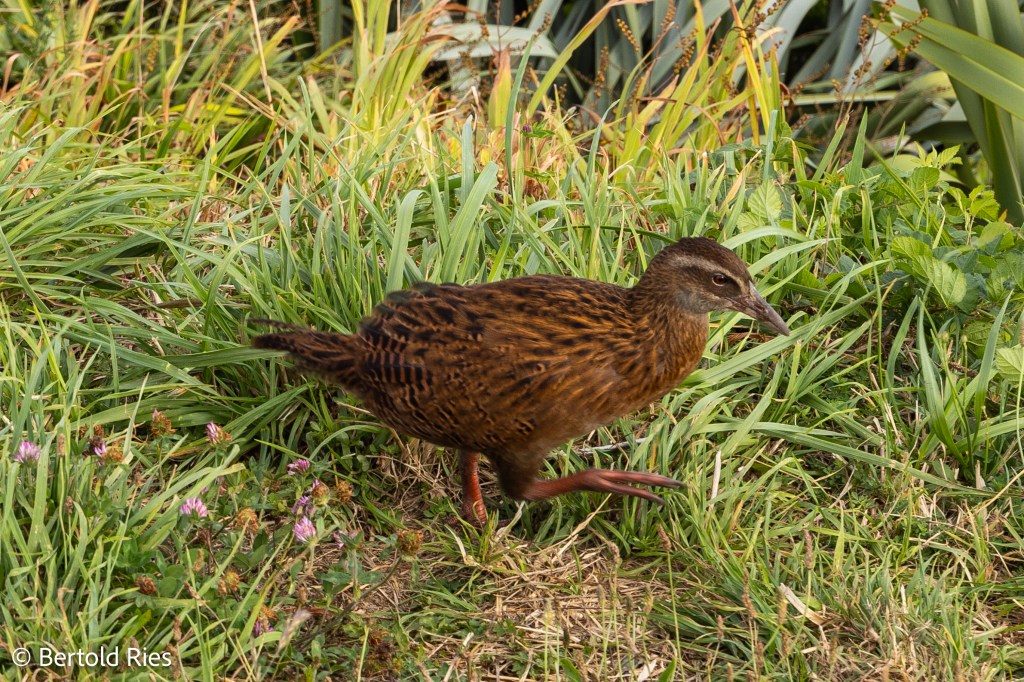
New Zealand’s Animals
Read more: New Zealand’s AnimalsNo this is not a Kiwi. Kiwis are active at night which makes it hard to catch them on a photo. This is a Buff Weka – also a flightless quite large bird – but active during the day :-). The species is endemic to New Zealand and the poulation vulnerable.
-
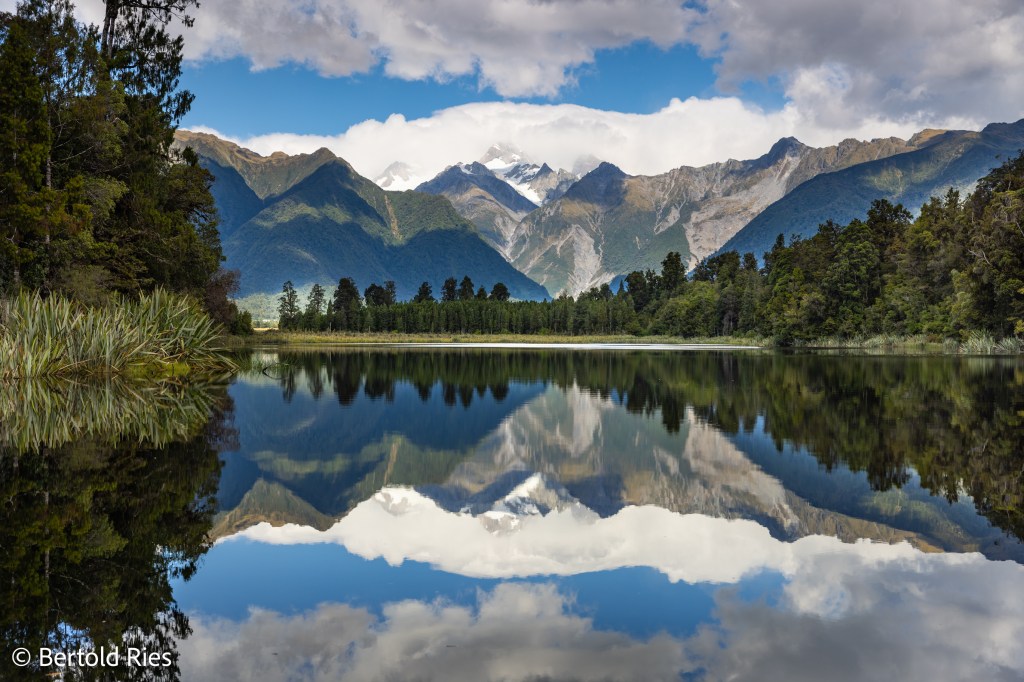
New Zealand’s Lakes
Read more: New Zealand’s LakesOkay, I can’t claim to have seen ALL the lakes in New Zealand, but the collection of my top 10 shots in this post unveils the variety and beauty of some of them: Lake Matheson is located on the west side of the Southern Alps and is one of my favorits. A hidden gem with…
-
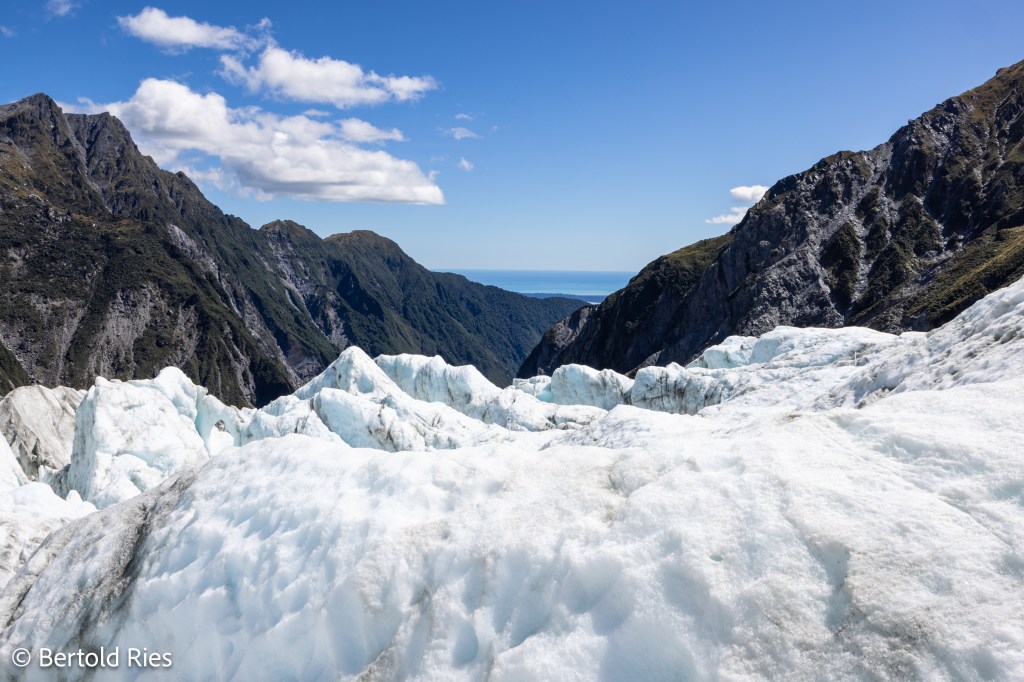
The Franz Josef Glacier – unique on earth
Read more: The Franz Josef Glacier – unique on earthRegular readers of my posts know about my interest in glaciers. And we all know they are becoming a rare species. The Franz Josef Glacier located on the west side of New Zealand’s Southern Alps is a very particular one. This glaicer still has the ability to grow – and does so from time to…
-
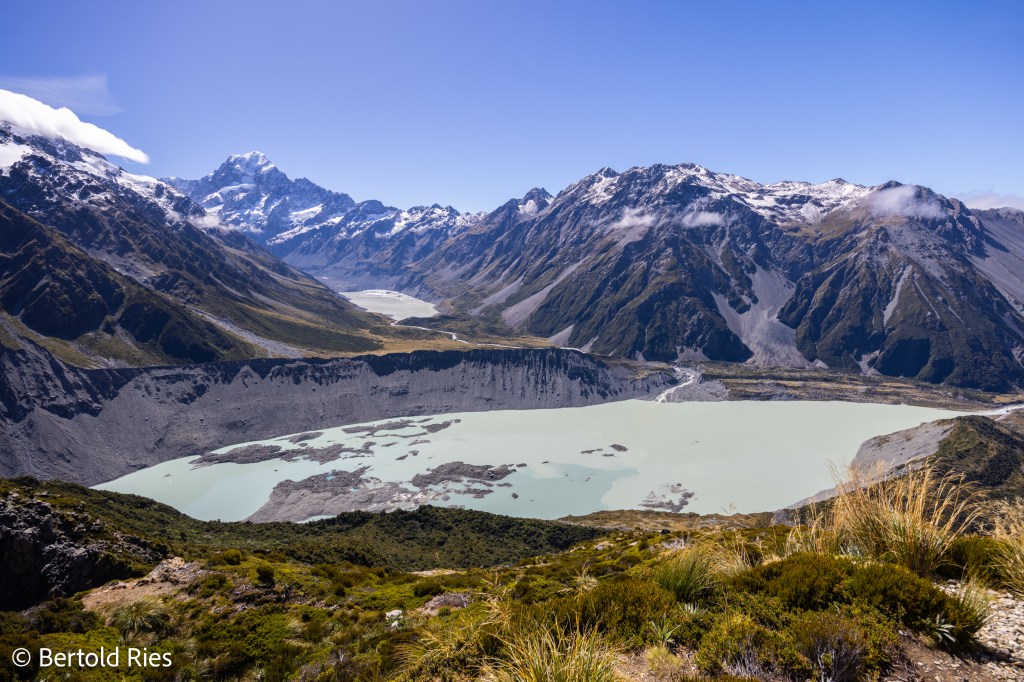
New Zealand’s Southern Alps
Read more: New Zealand’s Southern AlpsNot sure if people picture a pretty decent mountain range when they think about New Zealand. The “Southern Alps” extend roughly 500 km on the south island from northeast to southwest. The highest mountain is called “Aoraki / Mount Cook” (3’724 m) – in the picture above shown on the left. In the back the…
-

New Zealand’s Coasts – from red to rough
Read more: New Zealand’s Coasts – from red to roughToday I’d like to feature a few of the coast lines of the southern island of New Zealand. As you will see these are structures & shapes at its best! Let’s start in Kaiteriteri: beautiful red sand, white rocks, greeen trees … , yes, and blue sky. What else?
-
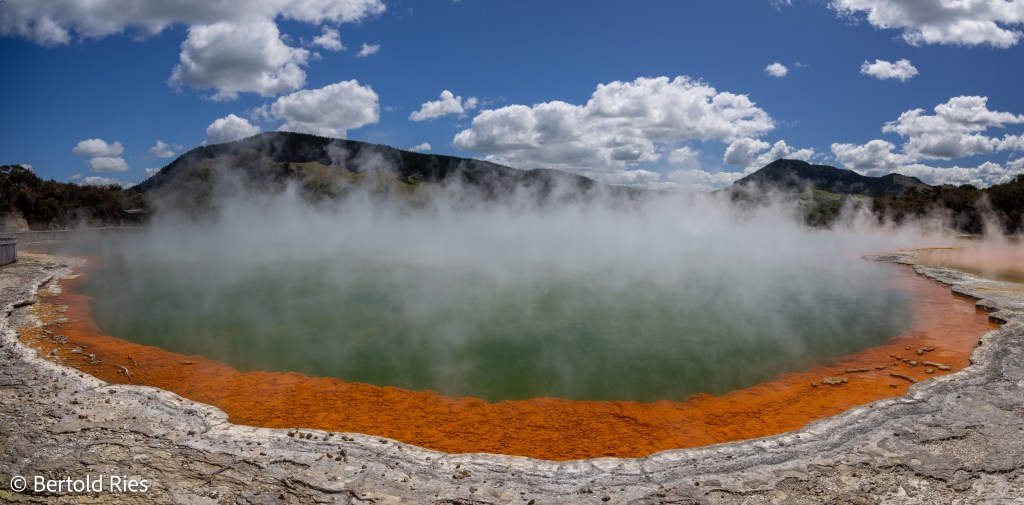
Nature as Painter – Color Festival at Wai-O-Tapu
Read more: Nature as Painter – Color Festival at Wai-O-TapuThe active geothermal area “Wai-O-Tapu” close to Rotorua, New Zealand, fascinates with its colorful springs, lakes and craters. The Champagne Pool is a hot spring that really bubbles like champagne (caused in this case by carbon dioxide*). Many minerals particularly antimony lead to the red ring around the spring*.
-
Subscribe
Subscribed
Already have a WordPress.com account? Log in now.
 structures & shapes